Anatomy of a Drink
Academic

Research

My work connects two areas that have shaped my career: animal survival in extreme environments and how students make sense of the human body. In my physiology research, I study organisms that tolerate conditions that challenge human tissues. In my anatomy education research, I examine how students engage with anatomy, with a focus on accessibility, curiosity, and meaningful learning.

Current Research
Anatomy Education

How Students Learn
Human Anatomy

Daniel’s current research investigates how students encounter and absorb human anatomy — with emphasis on accessibility, engagement, and the role that pedagogical design plays in long-term retention and conceptual understanding.

A growing area of focus is anatomical misinformation in the sociopolitical climate: how misconceptions about human biology circulate in public discourse, and what evidence-based science education can do to counter them.

This research is directly integrated into his teaching practice — each semester serves as both a classroom and a research site, generating insights about how students engage with complex biological systems.

Anatomy education research
Doctoral Research
Vertebrate survival research
Vertebrate survival research figure
Extreme Physiology

Vertebrate Survival in
Extreme Environments

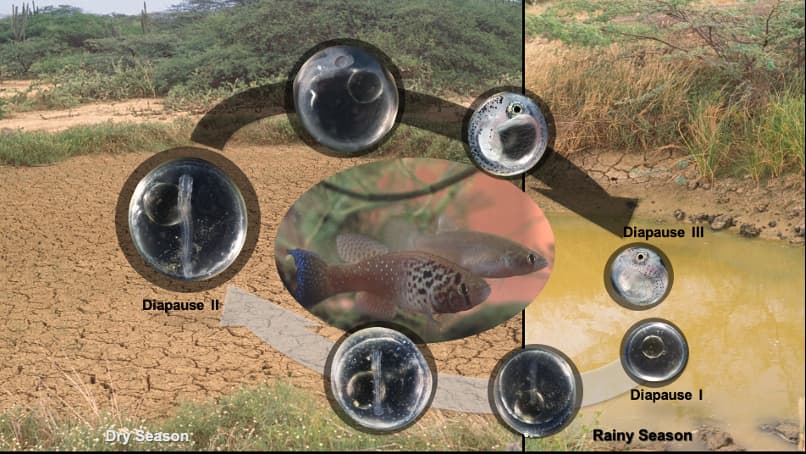
Daniel’s doctoral research focused on annual killifish (Austrofundulus limnaeus) — one of the most stress-tolerant vertebrates known to science. These fish survive complete desiccation and months of oxygen-free conditions as embryos, a feat with profound implications for biomedical preservation and our understanding of metabolic dormancy.

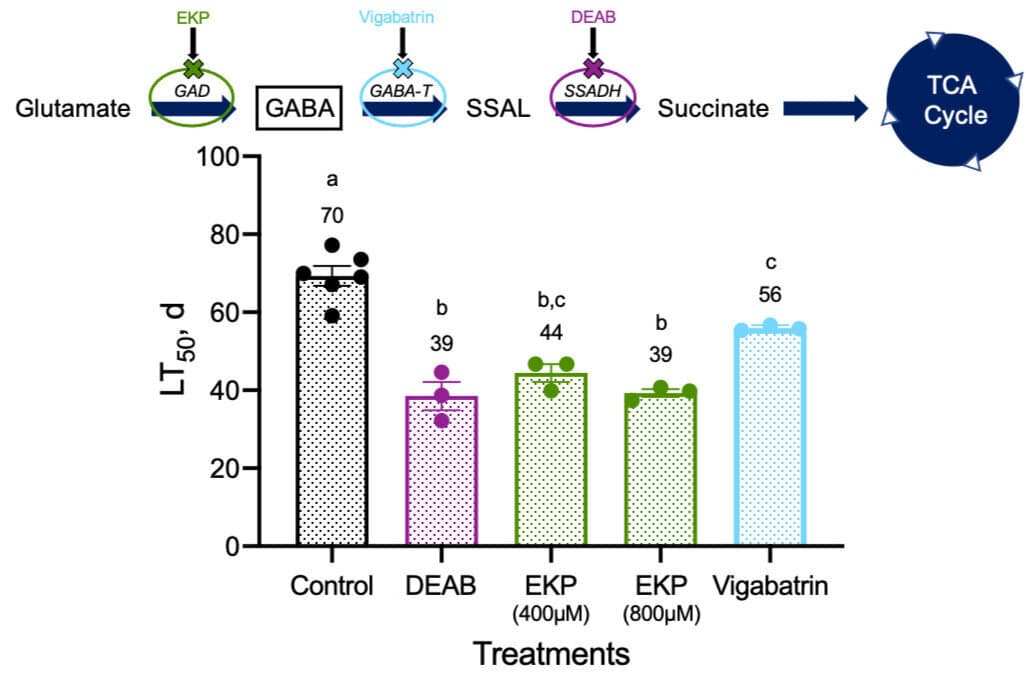
His work centered on γ-aminobutyric acid (GABA) and its role in helping embryos survive anoxia, as well as the stage-specific metabolic responses to aerial dehydration stress. Conducted with Dr. Jason Podrabsky at Portland State University, this research illuminates how evolution has already engineered solutions to the physiological problems that cause human disease.

Recent Research Projects

Recent Research Projects

Hearts, Livers, and a Whole Lot of Guessing: How Anatomical Knowledge Varies Among College Students — and Why It Matters
2025 – PresentMentored undergraduate research

Hearts, Livers, and a Whole Lot of Guessing: How Anatomical Knowledge Varies Among College Students — and Why It Matters

Anatomical knowledge shapes personal and public-health decisions, yet U.S. adults score poorly at identifying basic structures. This project surveys college students to ask how major, athletics, and home state relate to anatomical knowledge — and how that knowledge connects to news consumption and health misinformation.

  • Mentor Dr. Daniel Zajic
  • Mentor Dr. Yanna Weisberg (Psychology)
  • Student Researcher Cadogan Wheat ’26 — Biochemistry & Molecular Biology
  • Student Researcher Zoe Hertlein ’27 — Psychology & Theater
  • Student Researcher Evelyn Cross ’28 — Exercise Science
View research poster
Life cycle of the annual killifish, Austrofundulus limnaeus
2023Mentored undergraduate research

No Oxygen, No Problem: Investigating the Role of GABA in Vertebrate Anoxia Tolerance

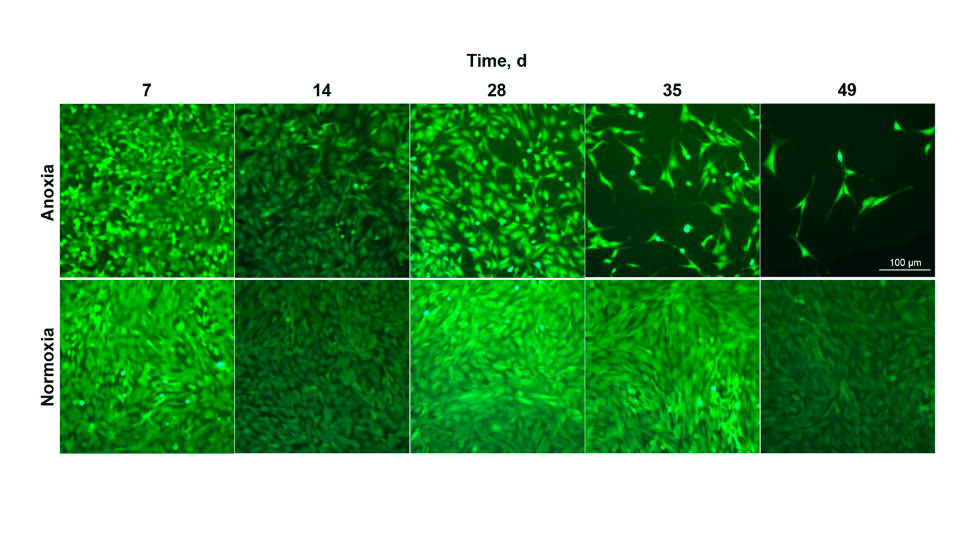
Using embryo-derived killifish cell lines, this project tests whether GABA supplementation and preconditioning (brief anoxia and lactate exposure) can increase tolerance to oxygen deprivation — building on the finding that GABA metabolism is crucial for surviving anoxia.

  • Mentor Dr. Daniel Zajic
  • Student Researcher Devan Duey ’25 — Biochemistry & Molecular Biology
View research poster
Publications

Publications

* denotes undergraduate researcher

GABA metabolism figure from Zajic & Podrabsky 2020
2020Journal of Experimental Biology

GABA metabolism is crucial for long-term survival of anoxia in annual killifish embryos

Shows that GABA metabolism directly determines how long killifish embryos can survive without oxygen — evidence that this neurotransmitter does far more than signal in the developing nervous system.

Zajic, D.E. & Podrabsky, J.E. (2020). Journal of Experimental Biology.

Anoxia-tolerant cell line figure from Riggs et al. 2019
2019Comparative Biochemistry and Physiology, Part B

Establishment and characterization of an anoxia-tolerant cell line (PSU-AL-WS40NE) from the annual killifish

Describes a stable cell line derived from Austrofundulus limnaeus — a laboratory tool that lets researchers study extreme anoxia tolerance at the cellular level.

Riggs, C.L., Le, R.*, Kültz, D., Zajic, D., Summers, A.*, Alvarez, L.*, & Podrabsky, J.E. (2019). Comparative Biochemistry and Physiology, Part B.

Stage-specific dehydration response figure
2020Journal of Experimental Biology

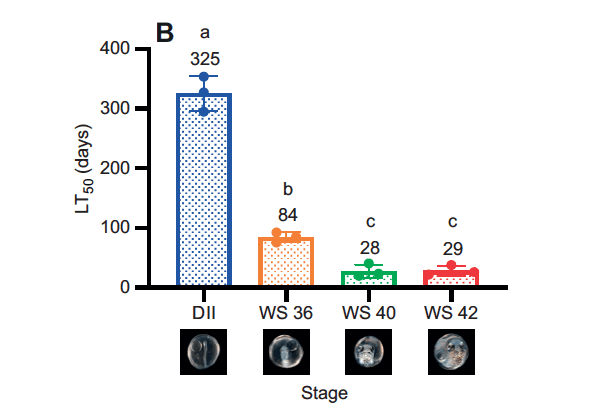
No water, no problem: stage-specific metabolic responses to dehydration stress in annual killifish embryos

Maps how killifish embryos at different developmental stages re-route their metabolism to survive being dried out — a model for desiccation tolerance in vertebrates.

Zajic, D.E., Nicholson, J.P.*, & Podrabsky, J.E. (2020). Journal of Experimental Biology.

Metabolomics analysis figure
2020Physiological Genomics

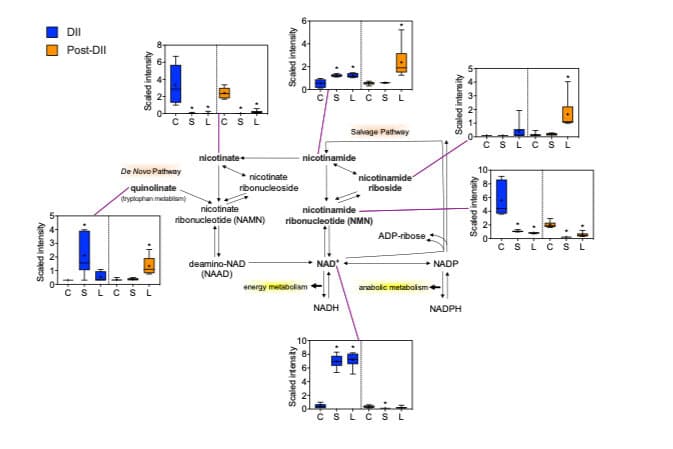
Metabolomics analysis of annual killifish embryos during aerial dehydration stress

A metabolome-wide look at how Austrofundulus limnaeus embryos withstand water loss, identifying the small molecules that shift during dehydration.

Zajic, D.E. & Podrabsky, J.E. (2020). Physiological Genomics, 52(9), 408–422.

Research-based course figure
2021CBE—Life Sciences Education

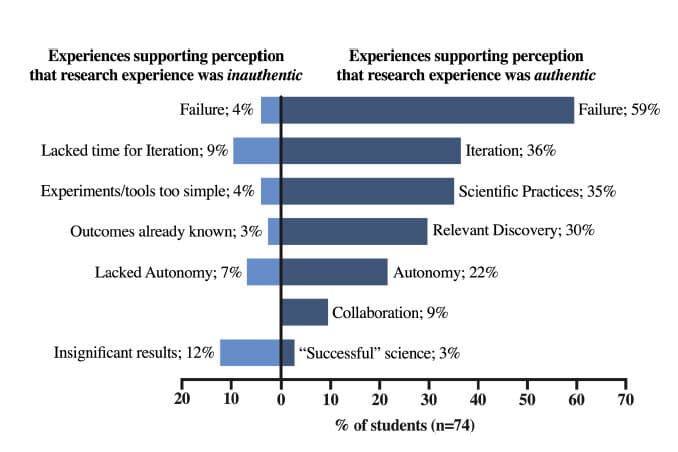
Is this science? Students’ experiences of failure make a research-based course feel authentic

An education-research study from the CURE work: students who experienced genuine failure in a course-based research experience reported the course felt more authentic and more like real science.

Goodwin, E.C., Anokhin, V.*, Gray, M.J., Zajic, D.E., Podrabsky, J.E., & Shortlidge, E.E. (2021). CBE—Life Sciences Education.